by Norma Tarazi
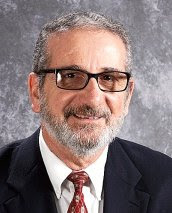
Three workshops took place this month for the school, one in Dayton with Sr. Susan Douglas, and two hosted with experts from out of town, Dr. Shaker Sayed, education director at ISNA, and Dr. Abdullah Idris, principal of the Islamic school of Toronto, one of the most successful in North America. The Dayton workshop specifically addressed ways to integrate Islam and Islamic history into social studies programs. Two copies of the Douglas social studies curriculum supplements are now available in our community. 'Dr. Shaker came at the end of November specifically to help the teachers of our Islamic weekend schools, but his address was also open to those working on the full time school project. The two day workshop addressed three topics, the qualities of a good Muslim teacher, teaching approaches for Islamic studies, and teaching approaches for Arabic. Much of the material on teacher qualities and teaching approaches was very interesting for Muslim parents as well as professional teachers.
In an extra evening meeting, Dr. Shaker discussed practical considerations for starting a full-time Islamic school. Of basic concern is the financial investment. As someone who has been a principal himself and presently works for ISNA primarily as a resource guide to the 170 Islamic schools now in North America, Dr. Shaker has a wealth of experience. Islamic schools nationwide are charging between $2000 and $3500 per year tuition for each student. The actual cost of the student is always more than that. The difference has to be made up in contributions from the community at large. However, we should keep expenses under tight control. It is unrealistic to expect contributions to count for more than 15% of expenses.
Communities who invest first in a school building acquire overhead that must be paid whether or not there are students. A large building requires the same amount to heat and light for 4 students as 120. For this reason, schools which are financially viable have usually started in shared facilities with a mosque or in temporary quarters that are rather makeshift. As student enrollment increases, the school moves out into more professional quarters. If a large building is acquired, efforts need to be made to make multipurpose use of the building for other activities, such as evening banquet facilities for parties, or daycare facilities in one part of the building, to help share overhead costs.
Another important issue discussed at this meeting was the ability to create a credible bilingual school. The best results so far seen by Dr. Shaker, for Arabic ability in a child graduating from and Islamic school without other access to Arabic, is 4th grade level. However, he said continual improvements of curriculum are being made and he expects continued improvement in this area in the next few years. The dreams of the parents and their commitment is the most important requirement for a successful Islamic school.
Dr. Abdullah Idris also discussed the topic of starting an Islamic school. His school in Toronto started in 1982 with 13 children from 7 committed families. At the time, the community referred to them as "those crazy people" he admitted with pride. He stressed the importance of having a year to plan curriculum before opening the next grade, to make sure it is successful. Don't bite off more than you can chew, in other words. Now that school is full with 350 students through 8th grade. There are now a total of 4 schools in the project, all operating at full enrollment and financially viable, and they have a waiting list of 5000. Student-teacher ratio is 30/1 overall, with smaller ratios for younger pupils. A high school for girls was started for girls in 7th through 12th after the 8th grade was opened. Girls who graduated from this school have been very successful in college. The school project is now negotiating to purchase a large high school facility.
After visiting the proposed sites under study by our community, Dr. Abdullah liked both of the Whitehall sites. he one currently in church use is not very attractive outside, he commented, but he toured the inside and felt it to be full of potential. He liked the outside appearance of the Robinwood site, only worrying about the proximity to broad St., with the possibility of security problems. He also saw the Sunbury site planned for the mosque weekend school complex. He expressed concern about the power plant nearby and the small area of the site if anyone wanted to make a full-time school use of that future complex. Though he was not shown the potential northwest land, discussion arose about it. Custom built facilities are always more appreciated by communities if the waiting time and cost are not too substantially greater than buying an old building on the market.
Our two guests have also helped in preparing a community-wide demographic survey which was started in the last weeks of December. With such dedicated experts to assist us, we will have only ourselves to blame if we do not produce a high quality full-time Islamic school in Columbus.

Subscribe to:
Post Comments (Atom)
No comments:
Post a Comment