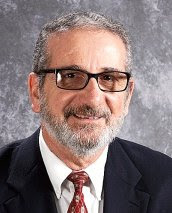
A survey of some of the workers in Ramadan - Four Weeks of Labor + Pure Intention = Eternal Relaxation
by Ayman Ismail
A sense of place is closely attached to its physical as well as its psychological (or spiritual) characteristics. Ramadan memories are always distinct because they concentrate a rich blend of spirituality and action such as prayer in congregation, quiyam, qonoot. They occur at a unique place (the mosque) and are shared by a homogeneous group of souls surrounded by mutual love and affection for Allah.
Who can forget the happy moments when hands reach out together for that first date that breaks the fast, the heart shattering sounds of Quran reciting by Brs. Samy, Yasin, and Mahmoud echoing during Taraweeh prayer, the soul-charging short talks after the forth raqaa, Hani Saqr's cheerful Friday nights with the Seerah of the Prophet (PBUH) and those tranquil pious nights of I'tikaf. Without a doubt, a remarkable environment to anyone, even to an outsider.
However, this environment is not ad-hoc. Hard working individuals devoted their time, effort and foresaw their own satisfaction and comfort to accomplish a single job, like organizing iftar or preparing a halaqa or finding the imam. Who were some of these 'knights', and how did this experience affect them as individuals? What have they learned from it and to what extent did they encounter trouble? In this article IQRA! interviewed some of those 'servants of Allah', not just to acknowledge their effort (may Allah reward them for it), but also to understand the meaning of working for His sake and learning from our won hands-on experience so that our community continues to grow.
Perhaps the most noticeable duty during the fasting month was the 'break-fasting man'!
Title: iftar coordinator, detail: organize iftar, distribute food, clean up. time: 3-4 hours daily. Count: 20 iftar days, 2400 meals served.
Br. Bassam Abdallah, with his team of 'warriors' had the impossible task of satisfying everyone's hunger and thirst efficiently and equitably! Bassam and his dedicated team of brothers (may Allah reward them all) worked 20 days during Ramadan, preparing the cutlery, paper rolls, transporting, allocating, distributing the food and cleaning up the masjid. Bassam was generally pleased with the participation of the community in cooking for the meals, especially during the last ten days which were booked daily. However, he hoped that everybody would help in the clean-up. "It was annoying t see some just sitting against the wall watching those doing all the work! Sometimes I lost my temper, but in the end the feeling I got from seeing fasting people satisfied was great!"
This experience definitely changed both the way he perceived people's attitude and the way he behaved with them. "Astaghfirullah!" he said, smiling, when he was asked about people's manners. "One really has learned patience!" Next year, if he were to do this again, he would organize this differently. "Every member of the food distribution team should rotate leadership of the distribution process. There are too any opinions that confuse everyone and lower the efficiency."
Br. Bassam is engaged to a sister from Lebanon. May Allah complete their marriage in happiness and bring them together in peace.
Title: prayer imam. Detail: Lead Taraweeh prayer. Remarks: imam of mosque in Saudi Arabia, majors in English as a second language.
Away from the messy food stuff and more into spirituality, Br. Sami Al Mubareek was our imal for many of the Taraweeh prayers. A delightful new addition to our Columbus community from Saudi Arabia. He brought along a sensational voice and tilawaa that penetrated the hears with Quran's meanings. Br. Sami is a recent 'hafiz' (memorizer) of Quran. He owes that gift to a halaqa in Al-Hofouf, western Saudi Arabia and a Syrian Moqri'e (Quran teacher).
"Memorizing the book of Allah is not easy, and it is easily forgotten. I have to constantly remind myself by practice over and over again," he says.
Although he heard a lot about Columbus from his brother Khalid, who studies at OSU, Sami was impressed by the commitment of the Columbus Muslim community. Sami, a graduate of Arts majoring in English, is here to study for a Masters in English as a Second Language. He was an imam of a mosque in Al-Hofouf and gave khutbahs there.
Sami is married in Saudi Arabia and has two children. He is currently staying with his brother and making sure that his brother's life is in full accordance with Islam.
Title: MSA secretary. Detail: you name it, he did it! Time: 1-2 hours daily.
From an organizational standpoint, the MSA made a tremendous effort in putting the Ramadan team together. IQRA! tried to interview many of the MSA staff during Ramadan, but it was virtually impossible to get a few minutes of their time. "I really have so much to do," said Khalid Farag, MSA President as he dashed off chasing one MSA staff member.
Rached Zantout, being also on IQRA! staff, was contacted through e-mail. Informally, MSA staff complain from lack of responsible 'labor force'. According to Rached, the total number of assignments is 65 people in the various committees and subcommittees, "but when you remove the overlap of individuals who serve on many committees simultaneously, the number is much less than that," he said. "Basically, everyone is doing everything. There is no clear definition of responsibility," he complained.
financially, Ramadan has not yet materialized as a donation month. Br. Ali Rubaian, MSA treasurer observes that beside the zakat box, donations in the masjid have not increased during this month! He explained that ever since the Friday prayer moved to Bethel Road, the donation boxes became almost empty. "One can assume that those who donate are not the ones who regularly come to the mosque!" he said.
It is not possible to acknowledge all those who served Allah during this month. One can only pray to Allah "Oh Allah! Reward the one who spends in your cause freely!" and hope that more and more Muslims will seek this reward.
Monday, April 5, 2010

Sunday, April 4, 2010
Feb 1995 Dear Editor
A suggestion for Iftar
Asalaam alaikum,
With Ramadan rabidly approaching, I would like to make a few comments about breaking our fasts at the masjid. We should try to make it a positive experience shared by everyone in the community. An effort to alleviate some of the problems of having a large gathering of women in such a small area would be to set up tables. Having tables in the women's meeting room and the food in the smaller room would accommodate more sisters, increase mobility and thereby eliminate some of the spills on the carpet from sisters and children stepping over plates and each other.
Also, in the past I have seen sisters put too much food on plates for themselves or their children. They take a large portion of one certain food item specifically. the child ends up taking a bite or two and is off to play with friends. The food is wasted and a chance for sisters to taste a new food is lost. A better solution would be to feed small children before coming for iftar, and then let them sample small amounts.
Ramadan is a time for acts of kindness to others, so remember there are also fasting sisters in line behind you.
Thank you, Um-Sufyan
Interfaith Dialogue
by way of introduction, I am a professional who had the honor and privilege of visiting and working in various countries in the Arab World. I was particularly elated to have visited Lebanon in 1981, the country of my grandparents and my nationality.
Although raised in the Roman rite of the Catholic Church, I did attend the Maronite rite while in Washington, D.C. and have attended the services of the Melkite Church, the Byzantine Orthodox Church, and the Greek Orthodox Church.
When opposing the 1982 invasion of Lebanon through political channels while living in Washington, D.C., I was compelled to relay to Capitol Hill and others who had some influence on international events certain facts and principles regarding Islam that I learned through my friends and colleagues in Washington, D.C. and in my travels.
First, almost one-third of the population of this earth professes Islam as their religion. This fact would urge a normal person of intelligence to inquire on what are the tenents of Islam and to question whetehr he or she is following the same or similar religious principles or otherwise should convert. Second, the common tenents between Islam and Christianity, generally not known, would, when made known, provide a means of identification between the two peoples. For example, it is written in the Catholic Apostolic Creed, cited at Mass, and which I learned Moslems believe as well, is that Jesus Christ was born of the Blessed Virgin as had been announced to her by the Angel Gabriel. To say to a Christian that the Moslems believe in Jesus Christ is not only a profession of faith common to both religions, but also an identification with each other.
While it was explained to me that in Islam, it is not believed that Jesus Christ was the "Son of God" for how can the One God have a "son" or there be "two" Gods, perhaps there is a problem with semantics.
By all means, I hope that those who follow Islam in this hemisphere will reach out to the Catholic and to all of the Christian communities, and emphasize the common religious beliefs particularly in light of the pervasive ignorance on and mischaracterization of Islam and what Moslems do believe. Some people, despite education in the sciences or arts, do not know what Islam is or what Moslems believe. Some of the people who do influence politics believe that Moslems are some political faction or party from a country which they cannot find on the map.
If I may suggest with all due respect to send your leaders to the Christian Churches for interfaith conferences on the similarities between Christianity and Islam. In many ways, the similarities and identification may hopefully prevent or stop wars and the proliferation of destructive weapons.
Perhaps one of you could encompass some or all of these thoughts and suggestions in an article for IQRA! and advance the request and necessity for interfaith conferences on a local, national, and international level.
Sincerely, Marcell Rose Anthony (Sarkis)
Editorial response:
Dear Marcell,
Thank you for your thoughtful letter and your suggestions for more interfaith dialogue. Actually, we believe numerous meetings on interfaith understanding are ongoing, particularly with the Catholic church. The new Catholic catechism, for instance, has recognized officially that Muslims "are included in God's plan of salvation" (Columbus Dispatch, 5/28/94). It is unfortunate that religion in general is so under-reported by the media and information about such meetings is not wide spread.
Eid Prayer
Assalaam alaikum. As fasting comes to an end, we surely are thinking of Eid-ul-Fitr prayer, the gifts to share with our children, persons to invite at home, etc. However, I would like to call three problems that have been occurring during the prayer year after year:
1. The ladies at the back of the prayer hall could hardly hear the speaker.
2. To accentuate problem, babies cry and little children enjoy themselves by making noise and running around. Mothers and/or ladies do not control their offspring effectively.
3. To make matters worse, the mothers/ladies start socializing among themselves.
These problems seriously affect others who come to attend the Eid prayer and want to consentrate listening to the kutba. I would like to suggest ways to correct the problems:
1. Install adequate loudspeaker system at the back of the hall.
2. Prepare an adjacent room with a loud speaker system where mothers could participate in Eid prayer while taking care of their babies/children.
3. Socializing could be eliminated by adopting items 1 and 2.
4. In addition, an announcement should be made requesting that socializing should be conducted only after the Eid prayer has ended.
5. Another suggestion, volunteers with obvious ID tags should coordinate efforts to establish harmony during this great day.
It is about time for all of us to figure out how to effectively deal with the situation.
Sincerely, Jeannette R. Mohammed
Asalaam alaikum,
With Ramadan rabidly approaching, I would like to make a few comments about breaking our fasts at the masjid. We should try to make it a positive experience shared by everyone in the community. An effort to alleviate some of the problems of having a large gathering of women in such a small area would be to set up tables. Having tables in the women's meeting room and the food in the smaller room would accommodate more sisters, increase mobility and thereby eliminate some of the spills on the carpet from sisters and children stepping over plates and each other.
Also, in the past I have seen sisters put too much food on plates for themselves or their children. They take a large portion of one certain food item specifically. the child ends up taking a bite or two and is off to play with friends. The food is wasted and a chance for sisters to taste a new food is lost. A better solution would be to feed small children before coming for iftar, and then let them sample small amounts.
Ramadan is a time for acts of kindness to others, so remember there are also fasting sisters in line behind you.
Thank you, Um-Sufyan
Interfaith Dialogue
by way of introduction, I am a professional who had the honor and privilege of visiting and working in various countries in the Arab World. I was particularly elated to have visited Lebanon in 1981, the country of my grandparents and my nationality.
Although raised in the Roman rite of the Catholic Church, I did attend the Maronite rite while in Washington, D.C. and have attended the services of the Melkite Church, the Byzantine Orthodox Church, and the Greek Orthodox Church.
When opposing the 1982 invasion of Lebanon through political channels while living in Washington, D.C., I was compelled to relay to Capitol Hill and others who had some influence on international events certain facts and principles regarding Islam that I learned through my friends and colleagues in Washington, D.C. and in my travels.
First, almost one-third of the population of this earth professes Islam as their religion. This fact would urge a normal person of intelligence to inquire on what are the tenents of Islam and to question whetehr he or she is following the same or similar religious principles or otherwise should convert. Second, the common tenents between Islam and Christianity, generally not known, would, when made known, provide a means of identification between the two peoples. For example, it is written in the Catholic Apostolic Creed, cited at Mass, and which I learned Moslems believe as well, is that Jesus Christ was born of the Blessed Virgin as had been announced to her by the Angel Gabriel. To say to a Christian that the Moslems believe in Jesus Christ is not only a profession of faith common to both religions, but also an identification with each other.
While it was explained to me that in Islam, it is not believed that Jesus Christ was the "Son of God" for how can the One God have a "son" or there be "two" Gods, perhaps there is a problem with semantics.
By all means, I hope that those who follow Islam in this hemisphere will reach out to the Catholic and to all of the Christian communities, and emphasize the common religious beliefs particularly in light of the pervasive ignorance on and mischaracterization of Islam and what Moslems do believe. Some people, despite education in the sciences or arts, do not know what Islam is or what Moslems believe. Some of the people who do influence politics believe that Moslems are some political faction or party from a country which they cannot find on the map.
If I may suggest with all due respect to send your leaders to the Christian Churches for interfaith conferences on the similarities between Christianity and Islam. In many ways, the similarities and identification may hopefully prevent or stop wars and the proliferation of destructive weapons.
Perhaps one of you could encompass some or all of these thoughts and suggestions in an article for IQRA! and advance the request and necessity for interfaith conferences on a local, national, and international level.
Sincerely, Marcell Rose Anthony (Sarkis)
Editorial response:
Dear Marcell,
Thank you for your thoughtful letter and your suggestions for more interfaith dialogue. Actually, we believe numerous meetings on interfaith understanding are ongoing, particularly with the Catholic church. The new Catholic catechism, for instance, has recognized officially that Muslims "are included in God's plan of salvation" (Columbus Dispatch, 5/28/94). It is unfortunate that religion in general is so under-reported by the media and information about such meetings is not wide spread.
Eid Prayer
Assalaam alaikum. As fasting comes to an end, we surely are thinking of Eid-ul-Fitr prayer, the gifts to share with our children, persons to invite at home, etc. However, I would like to call three problems that have been occurring during the prayer year after year:
1. The ladies at the back of the prayer hall could hardly hear the speaker.
2. To accentuate problem, babies cry and little children enjoy themselves by making noise and running around. Mothers and/or ladies do not control their offspring effectively.
3. To make matters worse, the mothers/ladies start socializing among themselves.
These problems seriously affect others who come to attend the Eid prayer and want to consentrate listening to the kutba. I would like to suggest ways to correct the problems:
1. Install adequate loudspeaker system at the back of the hall.
2. Prepare an adjacent room with a loud speaker system where mothers could participate in Eid prayer while taking care of their babies/children.
3. Socializing could be eliminated by adopting items 1 and 2.
4. In addition, an announcement should be made requesting that socializing should be conducted only after the Eid prayer has ended.
5. Another suggestion, volunteers with obvious ID tags should coordinate efforts to establish harmony during this great day.
It is about time for all of us to figure out how to effectively deal with the situation.
Sincerely, Jeannette R. Mohammed
Feb 1995 Fasting in Columbus
[For its first issue during Ramadan as the ISGC newsletter, IQRA! staff created a two part edition with multiple spiritual articles and background information about fasting. Only one article in all of this might be considered an article about the community, and most of it is a long highly technical discussion about moon sighting. I'm omitting that technical detail, which people can access from other sources like www.moonsighting.com, and including only the short discussion of the local community issues with moon sighting. An announcements in these pages give the hotline telephone number people were urge to call to find out about when the month started and ended. There were also 3 letters to the editor this month.]
Sighting the Community
Why is there more than one day for the start of Ramadan in the same city? I called HOME and the month of .... has already started!!! Should I fast with them or should I fast with the local community? Why can't we just follow astronomical calculations to start the month?
These are probably some of the most common questions that we hear every year with the start of Ramadan. This occurs in the U.S. because there is no single Islamic authority, its area covers various time zones, and there are so many nationalistic entities that remain attached to their homes rather than to the local community. The issue could easily be a DIVIDING FACTOR for Muslims to the extent that in one apartment in Chicago three roommates fasted on different days. This year, Columbus performed better than last year in preparation for the moon sighing event. These efforts were characterized by organization, responsibility, and openness. The fruits of that effort were clearly apparent in the smoothness with which the decision was transmitted to the community, the speed with which the decision was taken after a brother witnessed the crescent, the voicemail which never gave a busy signal, and the media coverage in IV (Channel 10), radio (NPR Weekly Edition) and press (the Columbus Dispatch). However, some people still fasted with other overseas countries, and not with the local community.
To clarify this issue, IQRA! contacted Dr. Mohib Durrani, an Islamic scholar of Columbia University, who has been researching the issue for years and currently works with ISNA for the moon sighting committee. He demonstrates how the astronomical method (Al-hesab Al-falaky) can be reconciled with the fiqh rul, (somo le-rou'yateh, was afteroo le-rou'yeth) and support it instead of contradict it. [this introduction is followed by a very detailed long discussion of the issues.]
Community Eid Dinner with the Islamic Center
at Whitehall Community Center off Hamilton Rd. in Whitehall Park, Saturday, March 4th.
Magrib prayer with be at 6:30 followed by a potluck dinner. A children's program is planned with the traditional clown entertainment, goody bags, and pizza for all.
MSA Children' Eid Party
Sunday March 5th at 12:00 noon. Songs and theater skits presented by the Arab sisters' halaqah for women and chldren. The Hall must be left clean and vacted by 2:00 so please come promptly at noon to avoid missing any of the snow.
Sighting the Community
Why is there more than one day for the start of Ramadan in the same city? I called HOME and the month of .... has already started!!! Should I fast with them or should I fast with the local community? Why can't we just follow astronomical calculations to start the month?
These are probably some of the most common questions that we hear every year with the start of Ramadan. This occurs in the U.S. because there is no single Islamic authority, its area covers various time zones, and there are so many nationalistic entities that remain attached to their homes rather than to the local community. The issue could easily be a DIVIDING FACTOR for Muslims to the extent that in one apartment in Chicago three roommates fasted on different days. This year, Columbus performed better than last year in preparation for the moon sighing event. These efforts were characterized by organization, responsibility, and openness. The fruits of that effort were clearly apparent in the smoothness with which the decision was transmitted to the community, the speed with which the decision was taken after a brother witnessed the crescent, the voicemail which never gave a busy signal, and the media coverage in IV (Channel 10), radio (NPR Weekly Edition) and press (the Columbus Dispatch). However, some people still fasted with other overseas countries, and not with the local community.
To clarify this issue, IQRA! contacted Dr. Mohib Durrani, an Islamic scholar of Columbia University, who has been researching the issue for years and currently works with ISNA for the moon sighting committee. He demonstrates how the astronomical method (Al-hesab Al-falaky) can be reconciled with the fiqh rul, (somo le-rou'yateh, was afteroo le-rou'yeth) and support it instead of contradict it. [this introduction is followed by a very detailed long discussion of the issues.]
Community Eid Dinner with the Islamic Center
at Whitehall Community Center off Hamilton Rd. in Whitehall Park, Saturday, March 4th.
Magrib prayer with be at 6:30 followed by a potluck dinner. A children's program is planned with the traditional clown entertainment, goody bags, and pizza for all.
MSA Children' Eid Party
Sunday March 5th at 12:00 noon. Songs and theater skits presented by the Arab sisters' halaqah for women and chldren. The Hall must be left clean and vacted by 2:00 so please come promptly at noon to avoid missing any of the snow.
Tuesday, March 30, 2010
Jan 1995 Non Muslims Visit Our Mosque
by Fauzi Labidi and Norma Tarazi
On December 7, 1994 a group of students in a theology class visited the Omar Ibn ElKhattab Mosque to learn about Islam. The program started with the Isha Prayer at 7 P.M. The visitors sat down to watch the way Muslim perform their prayers. Once the prayer was over, Brother Ashraf Sabrin presented a hadith of the Prophet (PBUH) that highlights the embryological growth of the fetus in the womb. The point was to show how the Prophet, (PBUH) through revelation from God, knew scientific facts hundreds of years prior to their discovery.
The meeting then separated a bit as most of the women of the group entered the ladies prayer area to meet with some sisters who had come to the prayer. The mostly men's meeting continued with questions and answers session led by Br. Hani Saqr. The main questions raised by the guests as well as some of the responses were:
"Why were there more men than women in the mosque?" A sister responded to this question by saying that men and women in Islam have different responsibilities and it is not mandatory upon women to pray in the mosque. She added that the sisters do not usually gather during the Isha Prayer because of their family responsibilities during that time.
"What's the most difficult thing you faced when you first came to America?" was addressed to immigrant Muslims. Some of the response were: the materialistic nature of life, the absence of God in the lives of people, the deteriorating moral values (crime, teenage pregnancy, ...) The sister's discussions were informal and spontaneous.
They were asked a lot about the role of Muslim women. It was interesting to see that the women guests had respected the mosque to the point of wearing their idea of Islamic clothing to the meeting. They couldn't seem to understand that our sisters do not feel un-modern, that they feel not a need to modernize Islam, but instead a need to return to the practice of pure Islam, without the cultural contamination added on over the centuries. the guests also seemed surprised that the brothers served the refreshments, not the sisters.
The sisters suggested that future meetings of this type be kept informal, with perhaps a short opening and closing formal address to the group, and then a break up into smaller groups. As usual, sisters in the ladies section cannot properly participate in meetings held in the men's section, even with microphones.
Finally, Br. Khalid Farag thanked the guests for taking their time for stopping by to learn about Islam. He added that this kind of event should be repeated in the future.
On December 7, 1994 a group of students in a theology class visited the Omar Ibn ElKhattab Mosque to learn about Islam. The program started with the Isha Prayer at 7 P.M. The visitors sat down to watch the way Muslim perform their prayers. Once the prayer was over, Brother Ashraf Sabrin presented a hadith of the Prophet (PBUH) that highlights the embryological growth of the fetus in the womb. The point was to show how the Prophet, (PBUH) through revelation from God, knew scientific facts hundreds of years prior to their discovery.
The meeting then separated a bit as most of the women of the group entered the ladies prayer area to meet with some sisters who had come to the prayer. The mostly men's meeting continued with questions and answers session led by Br. Hani Saqr. The main questions raised by the guests as well as some of the responses were:
"Why were there more men than women in the mosque?" A sister responded to this question by saying that men and women in Islam have different responsibilities and it is not mandatory upon women to pray in the mosque. She added that the sisters do not usually gather during the Isha Prayer because of their family responsibilities during that time.
"What's the most difficult thing you faced when you first came to America?" was addressed to immigrant Muslims. Some of the response were: the materialistic nature of life, the absence of God in the lives of people, the deteriorating moral values (crime, teenage pregnancy, ...) The sister's discussions were informal and spontaneous.
They were asked a lot about the role of Muslim women. It was interesting to see that the women guests had respected the mosque to the point of wearing their idea of Islamic clothing to the meeting. They couldn't seem to understand that our sisters do not feel un-modern, that they feel not a need to modernize Islam, but instead a need to return to the practice of pure Islam, without the cultural contamination added on over the centuries. the guests also seemed surprised that the brothers served the refreshments, not the sisters.
The sisters suggested that future meetings of this type be kept informal, with perhaps a short opening and closing formal address to the group, and then a break up into smaller groups. As usual, sisters in the ladies section cannot properly participate in meetings held in the men's section, even with microphones.
Finally, Br. Khalid Farag thanked the guests for taking their time for stopping by to learn about Islam. He added that this kind of event should be repeated in the future.
Tuesday, March 23, 2010
Dec 1994 Highlights of the International Festival
by Soumaiya Bousfiha
I would like to thank the Islamic Center [ed. on E. Broad St., IFCO] very much for their participation in representing Islam at the International Festival, November 5th and 6th, which was held at Veteran's Memorial Hall in downtown Columbus. I thank all the brothers and sisters who worked so very hard at planning, setting up the booths, and giving their time for this most important function.
The festival makes one feel like the world comes together in peace and respect, having fun and enjoyment at the same time. It is educational in the sense of providing opportunity for people to learn about other countries, nationalities, cultures, and religions.
I want to especially thank the Islamic Center for giving me the chance to take part and work with them in passing on the Islamic information to non Muslims. It was wonderful to meet brothers and sisters from the Islamic Center, hopefully strengthening our friendship and the relationship between the two masjids. Please allow me to help next year.
A big thanks goes to Hamida Ismael for all her hard work in taking care of the planning, setting-up, and scheduling. You are a joy to work with. Hamida and her husband have gone to and/or worked at the festival since the late 70's. I talked with her about the festival. "We don't go to make money. Our main purpose is to present Islam to non-Muslims and show what Islam is all about. a lot of people have been exposed to Islam through the festival. Also, it is fun working with other ladies. Of course the food and people from other countries are fun and interesting." she said.
I also talked with Shahida Khan and Selwa Abdullah who have both worked in the Festival for 25 years. Selwa said, "We must be at the festival every year to represent Islam as there are many churches represented there. It is good exposure for Islam."
Nabiha Hawramey, who also worked there with me, said, "The international Festival is a wonderful idea and I enjoy it. I like meeting different people from different religions and nationalities."
Alhamdulillah! I found several booths run by Muslims at the Festival. I would be looking at some interesting piece of jewelry or art object and the next thing I knew, the people working there would approach me and say "Asalaam alaikum" and I would find out they were Muslims. This gave me great joy.
I had the honor of meeting new as well as familiar people, and also some new sisters from Bosnia. Mashallah! I feel the world is our neighbor.
"Serve Allah and join not any partners with Him and do good, to parents, kinsfolk, orphans, those in need, neighbors who are of kin, neighbors who are strangers, the companion by your side, the way-farer (you meet). .." (4:36)
Ubn Umar and Aisha related that the Holy Prophet said: Gabriel kept exhorting me about the neighbor until I imagined he would include him in the category of heirs. (Bukhari & Muslim)
Abdullah ibn Umar relates that the Holy Prophet said: The best companion in the sight of Allah is he who behaves best towards his companions, and the best neighbor is he who behaves best towards his neighbors. (Tirmidhi)
Each of us has an obligation to reach out to our neighbors and introduce them to Islam in word, deed, and actions. May Allah bless all who helped make the Festival a success.
I would like to thank the Islamic Center [ed. on E. Broad St., IFCO] very much for their participation in representing Islam at the International Festival, November 5th and 6th, which was held at Veteran's Memorial Hall in downtown Columbus. I thank all the brothers and sisters who worked so very hard at planning, setting up the booths, and giving their time for this most important function.
The festival makes one feel like the world comes together in peace and respect, having fun and enjoyment at the same time. It is educational in the sense of providing opportunity for people to learn about other countries, nationalities, cultures, and religions.
I want to especially thank the Islamic Center for giving me the chance to take part and work with them in passing on the Islamic information to non Muslims. It was wonderful to meet brothers and sisters from the Islamic Center, hopefully strengthening our friendship and the relationship between the two masjids. Please allow me to help next year.
A big thanks goes to Hamida Ismael for all her hard work in taking care of the planning, setting-up, and scheduling. You are a joy to work with. Hamida and her husband have gone to and/or worked at the festival since the late 70's. I talked with her about the festival. "We don't go to make money. Our main purpose is to present Islam to non-Muslims and show what Islam is all about. a lot of people have been exposed to Islam through the festival. Also, it is fun working with other ladies. Of course the food and people from other countries are fun and interesting." she said.
I also talked with Shahida Khan and Selwa Abdullah who have both worked in the Festival for 25 years. Selwa said, "We must be at the festival every year to represent Islam as there are many churches represented there. It is good exposure for Islam."
Nabiha Hawramey, who also worked there with me, said, "The international Festival is a wonderful idea and I enjoy it. I like meeting different people from different religions and nationalities."
Alhamdulillah! I found several booths run by Muslims at the Festival. I would be looking at some interesting piece of jewelry or art object and the next thing I knew, the people working there would approach me and say "Asalaam alaikum" and I would find out they were Muslims. This gave me great joy.
I had the honor of meeting new as well as familiar people, and also some new sisters from Bosnia. Mashallah! I feel the world is our neighbor.
"Serve Allah and join not any partners with Him and do good, to parents, kinsfolk, orphans, those in need, neighbors who are of kin, neighbors who are strangers, the companion by your side, the way-farer (you meet). .." (4:36)
Ubn Umar and Aisha related that the Holy Prophet said: Gabriel kept exhorting me about the neighbor until I imagined he would include him in the category of heirs. (Bukhari & Muslim)
Abdullah ibn Umar relates that the Holy Prophet said: The best companion in the sight of Allah is he who behaves best towards his companions, and the best neighbor is he who behaves best towards his neighbors. (Tirmidhi)
Each of us has an obligation to reach out to our neighbors and introduce them to Islam in word, deed, and actions. May Allah bless all who helped make the Festival a success.
Dec 1994 Muslim School in Columbus - Robbery and Survival
by Hiba Naser
Brother Sunni Islam, MA. ED. counselor of 20 years, and Muslim chaplain, started a full-time Islamic school on 14th St. over a year ago in a rented building. He and his wife, Kathy, have been working for this period for no salary. The number of students has increased and, Alhamdullah, a few families were successful in keeping their children in an Islamic environment virtually all the time.
Brother Sunni has had some successful, though modest, fund-raising efforts to support the school. Otherwise, tuition is set at a marginal sum, based on family income and size.
The school was recently robbed! In fact, it was so thoroughly "cleaned out" that the thieves even ripped out the copper plumbing pipes and shelves from the walls!
The school could no longer operate in its rented building. Sunni and Kathy invited the students to their home to attend classes. The MSA president, Khaled Farag, has invited the school to use the Omar Mosque or the next-door school house for the school the idea is under discussion and decisions must be made regarding logistics. At this crucial time, it is very important for the community to start providing more support for this educational effort.
Some of us who are not directly involved with the school have also kept open the lines of communication so that all of us in Columbus can experience a sense of community. In addition to keeping in touch, we recently decided that a much more aggressive effort to raise funds and increase enrollment must begin. WE (you and I) of the community must do that. The people managing a school and teaching the children can't possibly do the job. The teachers, staff and students must know we support them. (We support unbelievers through our tax dollars. Now let's support Muslim children to keep them out of the educational control of unbelievers.)
Brother Sunni Islam, MA. ED. counselor of 20 years, and Muslim chaplain, started a full-time Islamic school on 14th St. over a year ago in a rented building. He and his wife, Kathy, have been working for this period for no salary. The number of students has increased and, Alhamdullah, a few families were successful in keeping their children in an Islamic environment virtually all the time.
Brother Sunni has had some successful, though modest, fund-raising efforts to support the school. Otherwise, tuition is set at a marginal sum, based on family income and size.
The school was recently robbed! In fact, it was so thoroughly "cleaned out" that the thieves even ripped out the copper plumbing pipes and shelves from the walls!
The school could no longer operate in its rented building. Sunni and Kathy invited the students to their home to attend classes. The MSA president, Khaled Farag, has invited the school to use the Omar Mosque or the next-door school house for the school the idea is under discussion and decisions must be made regarding logistics. At this crucial time, it is very important for the community to start providing more support for this educational effort.
Some of us who are not directly involved with the school have also kept open the lines of communication so that all of us in Columbus can experience a sense of community. In addition to keeping in touch, we recently decided that a much more aggressive effort to raise funds and increase enrollment must begin. WE (you and I) of the community must do that. The people managing a school and teaching the children can't possibly do the job. The teachers, staff and students must know we support them. (We support unbelievers through our tax dollars. Now let's support Muslim children to keep them out of the educational control of unbelievers.)
Dec. 1994 Slander!! The Muslim Response
By Norma Tarazi
"It was team work. When we work together, with selfless interest, it pays off, declared Br. Souhail Khan. The greatest united effort of the entire Muslim community of Central Ohio took place with a phoning and writing campaign to WOSU's channel 34. This was done to protest the airing of "Jihad in America", a propaganda film designed to encourage distrust of all Muslims, disguised as a documentary.
As early as 2 months ago, information about this film started circulating around the country and the Internet started buzzing warning signals, but the leaders of our community understood that national Islamic organizations like CAIR, [the Council on American Islamic Relations], ISNA [Islamic Society of North America] and ICNA [Islamic Circle of North America] were handling the problem with the national headquarters of Public Broadcasting system. PBS, however, refused to recognize Muslim interest in the film, and insisted on relying solely on its own internal board of review which, in turn, refused to recognize the implicit slander of the 'documentary'.
When all efforts to discuss the issue were rudely thrown out, the national organizations sent the message out on Internet to local Muslim communities all over the United States, warning them of something bad coming down the pike. Still, responsible people want to protest responsibly. The community had a general idea of what the slander was, because of the reputation of the producer and those around him.
Some two years ago, a documentary about the Intifada was aired on PBS, but, because of protest, a panel was allowed to discuss the film before and after its airing, and money was allocated to produce this second 'documentary' ,"Jihad in America" which had to be aired to compensate for allowing the Palestinian documentary on the air. But, until about a week before public airing, nobody had actually seen the response film. Then PBS allowed a group of journalists to see the film, and, Alhamdulillah, one journalist happened to be a Muslim. He took notes of the film and passed a summary of it onto the Internet. Muslims responded all over the country. In many cities, like Detroit and Dayton pressure caused the local PBS station to cancel airing the show. In other cities, Muslims were offered the right to have a panel discussion after the show.
Here in Columbus, responsible Muslims were a bit slow to respond. We waited to have the Internet summary before spreading the news. However, the news spread. The problem was brought up at Isha prayers. It was the central focus of the Friday prayer khutbah. Networking occurred spontaneously. Each brother or sister who heard, passed the word to others. The telephone number and even the fax number of the local program director, Mr. Willis Parker became known to all interested Muslims overnight.
Channel 34 was swamped with hundreds of phone calls and over 80 faxed letters of complaint. People voiced their concern about negative stereotyping of Muslims as terrorists in the media at large and asked the station to cancel the program or delay it until we could prepare a good response. Brothers and sisters included their personal stories of the frequent harassment that comes with living in this country and being Muslim. WOSU people were impressed but relied on the parent organization, PBS, and its internal advice that the film was not biased.
Brother Brian Clouse, of the MSA Public Relations Committee, prepared the formal letter of complaint from the whole Muslim community to the president of OSU; as the overall sponsor of WOSU. Brother Souhail Kan, of IFCO, on top of his efforts to inform Muslims, notified a variety of influential organizations outside of the Muslim community and urged them to respond. At the end of Friday, Mr. Parker told people to watch the film on Monday night, and see what it was, and then an appropriate response could be considered. Saturday and Sunday the phone calls and faxes continued. Monday morning at 9 a.m. Mr. Parker phoned the leaders of the community and asked them to assemble a panel of 4 to 5 people to discuss the film after its presentation.
This was really last minute. We had a few hours to find a panel of prepared people able to come at last minute notice, from our community which has not had great media experience. Those panelists had to view the film, and put together a response on the fly, to be aired immediately after the show, (at 11 pm when most of the people watching the show would have gone to bed.)
Lists of potential panelists were made and an emergency meeting of the Columbus Muslim Council was called that afternoon to organize the response. (The Columbus Muslim Council is a coordination group of representatives of IFCO, Masjid AI-IsJam, lSGC, and the MSA.) At this meeting it was decided to have Brother Tariq Jalil represent the MSA and Brother Brian Clouse represent both ISGC and IFCO. Brother Emil Bashir of Masjid AL-Islam was unfortunately unable to participate due to time constraints. Brother Khaled Farag (the MSA President) particularly voiced his regret to Brother Bashir's absence.
One problem seemed still unsolvable even during the last hours before the show. The Islamic community leaders had little background data about the film. Proper defense required full knowledge of the truth about what the attacks were. Brother Hani Sakr phoned ISNA in Indianapolis and got them to send us Brother Shakir El Sayed. Brother Shakir EI Sayed is the Director of Islamic Education for ISNA, and has spoken in public here in Columbus, and all over the United States. He also happened to have ISNA's background research about the film and had been helping CAIR in their efforts to negotiate with PBS on the national level. A friend in need, he came immediately upon request.
Five brothers went to WOSU studio and viewed the film an hour before it was aired to the public. They just had that hour, while the public viewed the film, to prepare their presentation with moderator, Mr. John Brodie, who was described by the panelists and the Muslim viewers as sympathetic and helpful.
A copy of the film and the discussion afterward is available at the mosque for those who missed it. A number of criticisms were leveled at the film by our panel, the first being the misuse of the word jihad, which has never meant "holy war" to Muslims. Jihad in Islam means struggle for the cause of God, toward self improvement, toward harmony n the family, toward protecting the rights of the poor and the oppressed anywhere in the community or in the world.
Among the criticisms was also that the film compared the righteous struggle in Afghanistan and Bosnia to the bombing by strange radicals of the New York City World trade Center. [At this time the people of Afghanistan were fighting the Soviet Army and the Bosnians were fighting for survival against the Serbs and Croats. ed.] The film also slandered numerous Muslim charities, insisting, without proof, that money donated for hospitals and refugee camps was being spent on arms.
The film also took clips of demonstrations in Iran years ago, and said these demonstrations happened in the U.S. recently. It used interviews of former FBI and State Department people, with the false implication that these people were spokesmen for their former employers. In fact, their testimony was their own personal opinion, nothing more.
The film also took short film clips of Arabic speeches and used sinister 'translator' voices, as it labeled one after the other as a 'known terrorist'. Innuendo and slander were rampant in the film, and the conjectures as to the motives of every Muslim shown were continually negative, without any proof.
What apparently blinded the PBS internal advisory board was a disclaimer at the beginning and end of the film that only fringe groups were being attacked. However, the overall effect of the film was to render the disclaimers empty. Many brothers and sisters who viewed the discussion have expressed their pride in our representatives on the panel and their strong response.
Inshallah, we have made our point with PBS. As we responded in community, so did all the brothers and sisters who made the effort to express themselves, to phone or write in. The leaders of our community worked hard to get positive results from this case. Inshallah, when we speak in the future, we will be better respected. We made valid points and were generally well received by Mr. Parker and the staff of OSU, especially Mr. John Brodie.
For the future, Brother Souhail Khan is planning a discussion on media relations December 4th, entitled Analysis and Discussion of, and Lessons from the Documentary: Jihad in America, at the Islamic Center.
Suggestions of known videos that PBS might air about Islam have been presented and need to be considered. It is possible that PBS might authorize a grant to a Muslim film producer to make a new documentary material about the silent majority of normal Muslims.
Brother Brian Clouse and Sister Hiba Nasser of the Public Relations Committee are interested in hearing from anyone who wants to help on media relations and follow-up of this event. For the time being, they have sent thank you letters for all the people at WOSU who were cooperative with us on this issue.
Generally Muslims here in Columbus can benefit from such an incident by trying harder to learn about Islam and spread the true image about our great religion. We should be more and more involved with the activities our Islamic organizations are organizing throughout the year.
"It was team work. When we work together, with selfless interest, it pays off, declared Br. Souhail Khan. The greatest united effort of the entire Muslim community of Central Ohio took place with a phoning and writing campaign to WOSU's channel 34. This was done to protest the airing of "Jihad in America", a propaganda film designed to encourage distrust of all Muslims, disguised as a documentary.
As early as 2 months ago, information about this film started circulating around the country and the Internet started buzzing warning signals, but the leaders of our community understood that national Islamic organizations like CAIR, [the Council on American Islamic Relations], ISNA [Islamic Society of North America] and ICNA [Islamic Circle of North America] were handling the problem with the national headquarters of Public Broadcasting system. PBS, however, refused to recognize Muslim interest in the film, and insisted on relying solely on its own internal board of review which, in turn, refused to recognize the implicit slander of the 'documentary'.
When all efforts to discuss the issue were rudely thrown out, the national organizations sent the message out on Internet to local Muslim communities all over the United States, warning them of something bad coming down the pike. Still, responsible people want to protest responsibly. The community had a general idea of what the slander was, because of the reputation of the producer and those around him.
Some two years ago, a documentary about the Intifada was aired on PBS, but, because of protest, a panel was allowed to discuss the film before and after its airing, and money was allocated to produce this second 'documentary' ,"Jihad in America" which had to be aired to compensate for allowing the Palestinian documentary on the air. But, until about a week before public airing, nobody had actually seen the response film. Then PBS allowed a group of journalists to see the film, and, Alhamdulillah, one journalist happened to be a Muslim. He took notes of the film and passed a summary of it onto the Internet. Muslims responded all over the country. In many cities, like Detroit and Dayton pressure caused the local PBS station to cancel airing the show. In other cities, Muslims were offered the right to have a panel discussion after the show.
Here in Columbus, responsible Muslims were a bit slow to respond. We waited to have the Internet summary before spreading the news. However, the news spread. The problem was brought up at Isha prayers. It was the central focus of the Friday prayer khutbah. Networking occurred spontaneously. Each brother or sister who heard, passed the word to others. The telephone number and even the fax number of the local program director, Mr. Willis Parker became known to all interested Muslims overnight.
Channel 34 was swamped with hundreds of phone calls and over 80 faxed letters of complaint. People voiced their concern about negative stereotyping of Muslims as terrorists in the media at large and asked the station to cancel the program or delay it until we could prepare a good response. Brothers and sisters included their personal stories of the frequent harassment that comes with living in this country and being Muslim. WOSU people were impressed but relied on the parent organization, PBS, and its internal advice that the film was not biased.
Brother Brian Clouse, of the MSA Public Relations Committee, prepared the formal letter of complaint from the whole Muslim community to the president of OSU; as the overall sponsor of WOSU. Brother Souhail Kan, of IFCO, on top of his efforts to inform Muslims, notified a variety of influential organizations outside of the Muslim community and urged them to respond. At the end of Friday, Mr. Parker told people to watch the film on Monday night, and see what it was, and then an appropriate response could be considered. Saturday and Sunday the phone calls and faxes continued. Monday morning at 9 a.m. Mr. Parker phoned the leaders of the community and asked them to assemble a panel of 4 to 5 people to discuss the film after its presentation.
This was really last minute. We had a few hours to find a panel of prepared people able to come at last minute notice, from our community which has not had great media experience. Those panelists had to view the film, and put together a response on the fly, to be aired immediately after the show, (at 11 pm when most of the people watching the show would have gone to bed.)
Lists of potential panelists were made and an emergency meeting of the Columbus Muslim Council was called that afternoon to organize the response. (The Columbus Muslim Council is a coordination group of representatives of IFCO, Masjid AI-IsJam, lSGC, and the MSA.) At this meeting it was decided to have Brother Tariq Jalil represent the MSA and Brother Brian Clouse represent both ISGC and IFCO. Brother Emil Bashir of Masjid AL-Islam was unfortunately unable to participate due to time constraints. Brother Khaled Farag (the MSA President) particularly voiced his regret to Brother Bashir's absence.
One problem seemed still unsolvable even during the last hours before the show. The Islamic community leaders had little background data about the film. Proper defense required full knowledge of the truth about what the attacks were. Brother Hani Sakr phoned ISNA in Indianapolis and got them to send us Brother Shakir El Sayed. Brother Shakir EI Sayed is the Director of Islamic Education for ISNA, and has spoken in public here in Columbus, and all over the United States. He also happened to have ISNA's background research about the film and had been helping CAIR in their efforts to negotiate with PBS on the national level. A friend in need, he came immediately upon request.
Five brothers went to WOSU studio and viewed the film an hour before it was aired to the public. They just had that hour, while the public viewed the film, to prepare their presentation with moderator, Mr. John Brodie, who was described by the panelists and the Muslim viewers as sympathetic and helpful.
A copy of the film and the discussion afterward is available at the mosque for those who missed it. A number of criticisms were leveled at the film by our panel, the first being the misuse of the word jihad, which has never meant "holy war" to Muslims. Jihad in Islam means struggle for the cause of God, toward self improvement, toward harmony n the family, toward protecting the rights of the poor and the oppressed anywhere in the community or in the world.
Among the criticisms was also that the film compared the righteous struggle in Afghanistan and Bosnia to the bombing by strange radicals of the New York City World trade Center. [At this time the people of Afghanistan were fighting the Soviet Army and the Bosnians were fighting for survival against the Serbs and Croats. ed.] The film also slandered numerous Muslim charities, insisting, without proof, that money donated for hospitals and refugee camps was being spent on arms.
The film also took clips of demonstrations in Iran years ago, and said these demonstrations happened in the U.S. recently. It used interviews of former FBI and State Department people, with the false implication that these people were spokesmen for their former employers. In fact, their testimony was their own personal opinion, nothing more.
The film also took short film clips of Arabic speeches and used sinister 'translator' voices, as it labeled one after the other as a 'known terrorist'. Innuendo and slander were rampant in the film, and the conjectures as to the motives of every Muslim shown were continually negative, without any proof.
What apparently blinded the PBS internal advisory board was a disclaimer at the beginning and end of the film that only fringe groups were being attacked. However, the overall effect of the film was to render the disclaimers empty. Many brothers and sisters who viewed the discussion have expressed their pride in our representatives on the panel and their strong response.
Inshallah, we have made our point with PBS. As we responded in community, so did all the brothers and sisters who made the effort to express themselves, to phone or write in. The leaders of our community worked hard to get positive results from this case. Inshallah, when we speak in the future, we will be better respected. We made valid points and were generally well received by Mr. Parker and the staff of OSU, especially Mr. John Brodie.
For the future, Brother Souhail Khan is planning a discussion on media relations December 4th, entitled Analysis and Discussion of, and Lessons from the Documentary: Jihad in America, at the Islamic Center.
Suggestions of known videos that PBS might air about Islam have been presented and need to be considered. It is possible that PBS might authorize a grant to a Muslim film producer to make a new documentary material about the silent majority of normal Muslims.
Brother Brian Clouse and Sister Hiba Nasser of the Public Relations Committee are interested in hearing from anyone who wants to help on media relations and follow-up of this event. For the time being, they have sent thank you letters for all the people at WOSU who were cooperative with us on this issue.
Generally Muslims here in Columbus can benefit from such an incident by trying harder to learn about Islam and spread the true image about our great religion. We should be more and more involved with the activities our Islamic organizations are organizing throughout the year.
Subscribe to:
Posts (Atom)