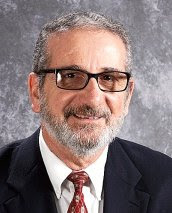
This month IQRA! celebrates its first anniversary as the newsletter of the Islamic Society of Greater Columbus. However, IQRA! was established originally as the newsletter of Muslim women's Network. Sr. Hiba Nasser talked to IQRA! about the journey of this publication from dreams to reality.
"Sister Daaiyah Saleem and I had been thinking about a newsletter to serve women's issues. the Sisters at the English Study Circle discussed that and decided to start a newsletter back in November," Sr. Hiba said. "The name IQRA! came from the Holy Quran: Recite. It was the first word in the revelation. we chose Muslim Women's Network not to establish a new organization but rather to support a network for women; to express that IQRA! was a women's effort to help women and open a forum to provide education and support for them. The newsletter started in November 1993 with only 2 ads worth $8. That was the estimation of how much it would cost to produce 76 copies. That was all our ambition at that time," she added.
By May 1994, the editorial board of IQRA! met with members of the Muslim Students Association (MSA) to discuss the idea of expanding IQRA! to meet the needs of the community at large rather than to meet women's needs only. Sr. Daa'iyah, editor in chief then, felt, "IQRA! seems to have tapped into a need of the community."
IQRA! was re-organized in terms of staff, orientation and goals as of June 1994. The new team adopted a 5 point scope which it has adhered to since. The newly organized IQRA!@ sought to expand its objective from a focus on women's issues to a community wide plan to unite, inform, mobilize, entertain, and educate Muslim readers in the greater Columbus area. the team members have utilized a new two-tier agenda to implement their five goals: Producing a quality newsletter and building a sustainable institution.
First, an administrative structure was formed composed of an editorial board and staff members. Job descriptions served as a primary tool for new positions like business and financial manager, public relations, marketing and distribution, as well as the traditional editorial and reporting jobs. Searching for qualified and dedicated staff members was and remains the biggest challenge facing IQRA!
Second, the character of the newsletter was enriched with new and innovative focus on community problems investigations emphasizing subject, content, and format. These include fixed theme columns like Family Matters, Children's Page, and Why Not, that address specific educational needs, the social news page, ISGC news, and Dear Editor, which reach out to interact with the community, and Poll-time which surveys public opinion on certain events. Recently, the concept of reporting was extended from writers' personal impression to the more time consuming concept of "investigation" to bring together different sides of the issues, like the Oklahoma Bombing coverage, the Hajj issue, and the Islamic schools issue.
The changes in IQRA! were significantly reflected in distribution, which jumped from 400 in the first issue to 600 typically, 750 in Eid, and 900-1000 in Special Events. Unfortunately, feedback to questionnaires and suggestions has not been encouraging. IQRA! is in desperate need for readers help through objective criticism to improve.
The business orientation also changed to include other professionals like lawyers, realtors, and doctors. Recently, IQRA! took a new turn. After Eid, IQRA! collected formal annual subscriptions. The resource base, thanks be to Allah, and the readers' contribution has improved dramatically. IQRA! takes pride in that it does not burden the ISGC or the MSA with requests for funds. IQRA! has become self-sufficient with enough surplus to cover at least 3 issues in advance. The current challenge is to cope with the growing mailing requests from across the country and re-design the objectives to include non-Muslims who are interested in IQRA! despite its focus on Muslims.
We thank all the brothers and sisters who are dedicated to keep working on improving IQRA! We are working into having IQRA! available electronically. we hope that in the near future we will read IQRA! published in color. we are very proud of our young contributors. Thanks to 13 year old Basil Gohar who is providing us with his beautiful "Why Not?" articles. we are very grateful to the Abdullah family who are supporting printing IQRA! at a super low price, coping with our short-tie request to do the job, and helping in the distribution process.
We made a pledge on the first day to make this publication a quality newsletter. However, we are humans and very deficient and error prone. We need your help to minimize mistakes and expand. At this point we are in need for your ideas and comments. Give us your thoughts, ideas, and opinions. Hopefully this effort will be accepted for Allah's sake.
Wednesday, May 12, 2010

Monday, May 10, 2010
June 1995 Women General Body Representatives
IQRA! Special Report
The Islamic Society of Greater Columbus (ISGC) is a reality now. After months of electing the Board of Trustees, and after months of the hard work to put a "suggested constitution" in place, the constitution passed with flying colors. Last month was also an active one, preparing for the nomination and the election of the General Body Representatives (GBR). There were 14 brothers and 2 sisters who accepted their nominations. by the time of the election, one brother and the two sisters pulled out. Unfortunately, rumors were heard that the sisters were pressured to withdraw their nominations.
IQRA! interviewed both Sr. Hanan Farhan and Sr. Farida El-Henawy asking the following questions:
IQRA!: Why did you accept your nomination to the GBR?
Sr. Farida: I wanted to be a representative so that I'll have the chance to express women and children's needs and concerns.
Sr. Hanan: Allah says: "O people, We have created you from a male and a female." The Prophet , peace and blessings be upon him, says that women are sisters and partners of men. I believe that Muslim women have a role in building the Islamic society. Certainly, Muslim women have the obligation and the responsibility that complement men's. No man can play the role of the woman. Consequently, there was nothing to do except accepting the nomination to the GBR to participate in the decision making, in developing the future of this community, and in helping putting our decisions in place.
IQRA!: Have you received any support from the community to continue and be members in case you did win the election?
Sr. Farida: The period of time you are mentioning was very short. The support I got was minimal. the support actually came after my withdrawal!
Sr. Hanan: Like any other matter, there were pros and cons. Unfortunately, the majority was against having women on the GBR. But since I believe that being in this position is not deviation from the Islamic ruling, I insisted on proceeding.
IQRA!: Why did you decide to pull out of the GBR election?
Sr. Farida: I prefer not to discuss that now.
Sr. Hanan: My reasons and principles to accept the nomination in the first place have not been changed. I was the last to withdraw. First because I was left to be the only woman there, and second because I felt that one chair was not enough to represent all the women in the ISGC. I would like to emphasize that the Islamic society is like a bird. One wing represents men and the other represents women. How would a bird fly and get higher and higher with only one wing? If we want to be better and better, we must encourage women's participation at all levels including the level of decision making and execution.
IQRA!, as a part of its own investigation, acquired the following ruling of The Fiqh Council of North America from the American Journal of Islamic Social Sciences 9:4, pp. 588-89. [On the issue of] "Whether women may share in the management and administration of mosques, Islamic schools, and executive councils of Islamic organizations. It was noted that there is no legal reason to prevent this essentially organizational concern and also, that this matter was not a source of controversy among the classical jurists, for the question of general sovereignty does not arise."
One prime example: Muslim Youth of North America (MYNA), a continental Muslim youth organization, in which a sister has been the youth chair of MYNA for several years.
Should the ISGC be two communities or are we supposed to be a true ONE community? Some people talk how 'ikhtelat" (mixing between brothers and sisters) is haram (unlawful) and that we should not allow it to happen in our ISGC. To clarify this point IQRA! would like to cite some passages from the book, "The liberation of Women in the Time of the Message" by Abdul-Halim Abu-Shukkah. In this book, the author leaves no doubt that the Muslim community at the time of the prophet, Peace and blessings be upon him, was indeed one community, where brothers and sisters dealt with each other and interacted on a daily basis according to the principles and regulations of Islam.
There are more than 350 authentic hadith (in Bukhari and Muslim) that list such types of interaction in various situations, like:
1. In the mosque, when prayers are held.
2. Gaining knowledge and education whether in the mosque or elsewhere.
3. In Makkah during Hajj and Umrah.
4. In celebrating Eid, during Eid prayers, and after during the celebrations.
5. In a legal court where men and women used to settle their disputes. This even included husbands and wives.
6. During "janazah" (funeral) and what comes after it from prayer to offering condolences etc...
7. During "jihad" (fighting for the cause of Allah) where women used to help in nursing and even in the actual fight, combat.
In addition to the public situations above, a lot of interaction took place also in personal matters like family visits, giving gifts, visiting a sick person, enjoining the good and forbidding the bad.
The Islamic Society of Greater Columbus (ISGC) is a reality now. After months of electing the Board of Trustees, and after months of the hard work to put a "suggested constitution" in place, the constitution passed with flying colors. Last month was also an active one, preparing for the nomination and the election of the General Body Representatives (GBR). There were 14 brothers and 2 sisters who accepted their nominations. by the time of the election, one brother and the two sisters pulled out. Unfortunately, rumors were heard that the sisters were pressured to withdraw their nominations.
IQRA! interviewed both Sr. Hanan Farhan and Sr. Farida El-Henawy asking the following questions:
IQRA!: Why did you accept your nomination to the GBR?
Sr. Farida: I wanted to be a representative so that I'll have the chance to express women and children's needs and concerns.
Sr. Hanan: Allah says: "O people, We have created you from a male and a female." The Prophet , peace and blessings be upon him, says that women are sisters and partners of men. I believe that Muslim women have a role in building the Islamic society. Certainly, Muslim women have the obligation and the responsibility that complement men's. No man can play the role of the woman. Consequently, there was nothing to do except accepting the nomination to the GBR to participate in the decision making, in developing the future of this community, and in helping putting our decisions in place.
IQRA!: Have you received any support from the community to continue and be members in case you did win the election?
Sr. Farida: The period of time you are mentioning was very short. The support I got was minimal. the support actually came after my withdrawal!
Sr. Hanan: Like any other matter, there were pros and cons. Unfortunately, the majority was against having women on the GBR. But since I believe that being in this position is not deviation from the Islamic ruling, I insisted on proceeding.
IQRA!: Why did you decide to pull out of the GBR election?
Sr. Farida: I prefer not to discuss that now.
Sr. Hanan: My reasons and principles to accept the nomination in the first place have not been changed. I was the last to withdraw. First because I was left to be the only woman there, and second because I felt that one chair was not enough to represent all the women in the ISGC. I would like to emphasize that the Islamic society is like a bird. One wing represents men and the other represents women. How would a bird fly and get higher and higher with only one wing? If we want to be better and better, we must encourage women's participation at all levels including the level of decision making and execution.
IQRA!, as a part of its own investigation, acquired the following ruling of The Fiqh Council of North America from the American Journal of Islamic Social Sciences 9:4, pp. 588-89. [On the issue of] "Whether women may share in the management and administration of mosques, Islamic schools, and executive councils of Islamic organizations. It was noted that there is no legal reason to prevent this essentially organizational concern and also, that this matter was not a source of controversy among the classical jurists, for the question of general sovereignty does not arise."
One prime example: Muslim Youth of North America (MYNA), a continental Muslim youth organization, in which a sister has been the youth chair of MYNA for several years.
Should the ISGC be two communities or are we supposed to be a true ONE community? Some people talk how 'ikhtelat" (mixing between brothers and sisters) is haram (unlawful) and that we should not allow it to happen in our ISGC. To clarify this point IQRA! would like to cite some passages from the book, "The liberation of Women in the Time of the Message" by Abdul-Halim Abu-Shukkah. In this book, the author leaves no doubt that the Muslim community at the time of the prophet, Peace and blessings be upon him, was indeed one community, where brothers and sisters dealt with each other and interacted on a daily basis according to the principles and regulations of Islam.
There are more than 350 authentic hadith (in Bukhari and Muslim) that list such types of interaction in various situations, like:
1. In the mosque, when prayers are held.
2. Gaining knowledge and education whether in the mosque or elsewhere.
3. In Makkah during Hajj and Umrah.
4. In celebrating Eid, during Eid prayers, and after during the celebrations.
5. In a legal court where men and women used to settle their disputes. This even included husbands and wives.
6. During "janazah" (funeral) and what comes after it from prayer to offering condolences etc...
7. During "jihad" (fighting for the cause of Allah) where women used to help in nursing and even in the actual fight, combat.
In addition to the public situations above, a lot of interaction took place also in personal matters like family visits, giving gifts, visiting a sick person, enjoining the good and forbidding the bad.
Friday, April 30, 2010
May 1995 Dear Editor
R.I.P. The Constitution
On the evening of April 7, 1994, MSA members were supposed to vote on a proposed constitution to replace the current one. The announcement sent by mail to all members, hung on the door of the masjid, and made after about three Jumaa prayers specified the meeting to start at 9:15 pm. Fortunately most of the brothers and sisters understood what the MSA executive committee meant and they all ignored the 9:15 pm meeting start time and came after Isha prayer to vote.
The meeting started and it took the MSA about 20 to 25 minutes to count the MSA members present. The count was 64, two short of the quorum required to begin the vote. Instead of following the constitution by adjourning the meeting for lack of Quorum, the 'majority' of the people present voted to continue with the meeting especially that it seemed that more pope were trickling through the door.
Alhamdulillah, the ISGC constitution passed with flying colors (55 out of the 66 present voted for it). the Muslims in Columbus should rest in peace now and sleep in comfort, we have the new constitution and the new organization.
Unfortunately, at least one Muslim will not sleep comfortably or rest in peace. According to this Muslim, a very dangerous precedent was set many times today. the more disturbing fact is that most of the brothers and sisters that are active in the Masjid have little or no regard for the constitution. If the pope who are most serious about Islam are at such a level then this Muslim feels sorry for our society.
The last time I checked, in Islam, ends to not justify the means. Even if the ISGC constitution was the best thing that ever happened to this community, the means that lead to its adoption should have been avoided.
Rached Zantout
On the evening of April 7, 1994, MSA members were supposed to vote on a proposed constitution to replace the current one. The announcement sent by mail to all members, hung on the door of the masjid, and made after about three Jumaa prayers specified the meeting to start at 9:15 pm. Fortunately most of the brothers and sisters understood what the MSA executive committee meant and they all ignored the 9:15 pm meeting start time and came after Isha prayer to vote.
The meeting started and it took the MSA about 20 to 25 minutes to count the MSA members present. The count was 64, two short of the quorum required to begin the vote. Instead of following the constitution by adjourning the meeting for lack of Quorum, the 'majority' of the people present voted to continue with the meeting especially that it seemed that more pope were trickling through the door.
Alhamdulillah, the ISGC constitution passed with flying colors (55 out of the 66 present voted for it). the Muslims in Columbus should rest in peace now and sleep in comfort, we have the new constitution and the new organization.
Unfortunately, at least one Muslim will not sleep comfortably or rest in peace. According to this Muslim, a very dangerous precedent was set many times today. the more disturbing fact is that most of the brothers and sisters that are active in the Masjid have little or no regard for the constitution. If the pope who are most serious about Islam are at such a level then this Muslim feels sorry for our society.
The last time I checked, in Islam, ends to not justify the means. Even if the ISGC constitution was the best thing that ever happened to this community, the means that lead to its adoption should have been avoided.
Rached Zantout
May 1995 Meet the stress - The ISGC Constitution Vote
The ISGC is finally a reality. some say it took too long, others may say it is a 'premature step'. Both have a point. Discussions on the constitution were going on for over a year with meetings, seminars, presentations, and lengthy debates. On the other hand, the ISGC had a newsletter and a board of trustees long before it had a formal structure or a constitution.
In any case, its constitution passed by a sweeping majority albeit a marginal quorum. While the election process was swift, perhaps the shortest in MSA history, it was not exactly smooth. some inconvenience was caused by the delay and confusion of starting time for the elections. Yet, the legitimacy and effectiveness of the infant organization was unexpectedly tested by the recent tragedy in Oklahoma (covered in this special issue). What is the expected role of ISGC in the future? How can it cope with the increasing challenges the community faces? What resources will this entail and are we capable of delivering are some of the uncertainties we now face. IQRA! interviewed ISGC BOT member, Khaled Farag.
Q: Briefly, how would you comment on the legitimacy of the allegations made regarding the elections procedure?
A: All members were notified that the meeting will begin after salat Isha. The athan was at 9:19 that day. The meeting was formally started and Thanks to Allah, enough people came. We need to go on beyond bickering on small issues and concentrate on the growth and efficiency of the Muslim community and its dawa efforts.
Q: Now that the ISGC has passed, what is the immediate next step?
A: Elect good General Body Representatives (GBR) in order to practice Shura in the community. The GBR will be an important body that advises the Executive Committee (EC) president and the BOT. the community should select its representatives on the basis of qualifications and fear of Allah. Everyone in the community should remember that these representatives will represent your opinion on the important decisions.
Q: What is your vision of the ISGC five to ten years from now?
A: Allah willing, ISGC will be one of the most active Islamic organizations in the United States. Allah willing, ISGC will be a wide umbrella organization under through which all Muslims will work.
Q: What are the challenges facing ISGC that may hamper the establishment of this vision?
A: Convincing people to abandon individualism and work in groups with professional advice and supervision. Most importantly work for the sake of Allah.
Q: Do you think the ISGC is an organization with too many chiefs and no Indians? where can we mobilize the human power and the resources needed?
A: The punch line of an award winning story (Field of Dreams) was: "If you build it, they will come".
Q: Finally, what distinction in responsibility do you foresee between the resident and non-resident members?
A: Resident and nonresident members are equal. The reason of the unfortunate label is the sincere intention to have equal representation of the community. we do not want ISGC to be a student organization only. Nor is it desired to have ISGC to be an organization of primarily professional residents. ISGC should rather be a unifying and inclusive organization that provides the proper platform for Islam to grow in the United States.
In any case, its constitution passed by a sweeping majority albeit a marginal quorum. While the election process was swift, perhaps the shortest in MSA history, it was not exactly smooth. some inconvenience was caused by the delay and confusion of starting time for the elections. Yet, the legitimacy and effectiveness of the infant organization was unexpectedly tested by the recent tragedy in Oklahoma (covered in this special issue). What is the expected role of ISGC in the future? How can it cope with the increasing challenges the community faces? What resources will this entail and are we capable of delivering are some of the uncertainties we now face. IQRA! interviewed ISGC BOT member, Khaled Farag.
Q: Briefly, how would you comment on the legitimacy of the allegations made regarding the elections procedure?
A: All members were notified that the meeting will begin after salat Isha. The athan was at 9:19 that day. The meeting was formally started and Thanks to Allah, enough people came. We need to go on beyond bickering on small issues and concentrate on the growth and efficiency of the Muslim community and its dawa efforts.
Q: Now that the ISGC has passed, what is the immediate next step?
A: Elect good General Body Representatives (GBR) in order to practice Shura in the community. The GBR will be an important body that advises the Executive Committee (EC) president and the BOT. the community should select its representatives on the basis of qualifications and fear of Allah. Everyone in the community should remember that these representatives will represent your opinion on the important decisions.
Q: What is your vision of the ISGC five to ten years from now?
A: Allah willing, ISGC will be one of the most active Islamic organizations in the United States. Allah willing, ISGC will be a wide umbrella organization under through which all Muslims will work.
Q: What are the challenges facing ISGC that may hamper the establishment of this vision?
A: Convincing people to abandon individualism and work in groups with professional advice and supervision. Most importantly work for the sake of Allah.
Q: Do you think the ISGC is an organization with too many chiefs and no Indians? where can we mobilize the human power and the resources needed?
A: The punch line of an award winning story (Field of Dreams) was: "If you build it, they will come".
Q: Finally, what distinction in responsibility do you foresee between the resident and non-resident members?
A: Resident and nonresident members are equal. The reason of the unfortunate label is the sincere intention to have equal representation of the community. we do not want ISGC to be a student organization only. Nor is it desired to have ISGC to be an organization of primarily professional residents. ISGC should rather be a unifying and inclusive organization that provides the proper platform for Islam to grow in the United States.
May 1995 Islam's Stand on Terrorism!
by Fauzi Labidi
A picture of a firefighter rescuing a one year old baby from the rubble of the Oklahoma City bombing was published in a British tabloid under the title "In the Name of Islam". Muslim communities all over the U.S. were outraged by these accusations and were quick to condemn this violent, cruel, and cowardly act. [the Oklahoma City bombing] When the villain turned out to be a white male, it was impossible for many to imagine that such a terrorist act would come from within and be committed by White Americans. Ignorance, unfortunately, tends to lead to wrong conclusions.
What is the Islamic viewpoint regarding killing children and innocent civilians? In Islam, a great deal of discipline and care are taken at time of war. The life of the Prophet (PBUH) and the life of his companions provided the Muslims with clear commandments to be obeyed during conflicts. it is forbidden for Muslims to commit the following acts during wars:
- Killing women, children, elderly people, sick people, and hermits.
- Killing animals, destroying plants, demolishing homes, and destroying water supplies.
- Killing or mutilating, the wounded; stealing, looting, and torturing.
- Killing those who are not taking part in the war.
This proves that Islam values all life even at times of war, let alone at peaceful times. Equating Islam with terrorism is the most outrageous, ignorant, and unfair statement ever uttered. As one brother from Oklahoma City said in the aftermath of the blast: "A person committing terrorist acts has no religion but one - terrorism."
We hope that this tragedy will open the eyes of America and make it think twice before they rush to premature conclusions and accuse innocent people.
May 1995 Oklahoma City
May 1995 Spillover of a Disaster
by staff
Form the first moment Muslim Americans watched the horror of the Oklahoma City bombing, they knew they were struck twice. First, by the sheer size of the calamity that his innocent citizens and children, and second, by the suspicion that they would probably have another hate wave to deal with. Here is how their fears were proven right.
The earliest victim was Abrahim Ahmad; an American Jordanian who was hauled back to the U.S. to be questioned by FBI. "I was treated like dirt, like a dog. I was pronounced guilty by the media," said Ahmad, who just happened to be flying to Europe less than two hours after the explosion." They have spat on my wife, they have put trash on the lawn, filthy things..." he added.
Perhaps the most devastating spillover was what happened to Sahar Al-Saidi in Oklahoma City. Haidar Al-Saidi's 6 months-pregnant wife was alone at home, when angry assailants banged the doors and smashed windows, responding to TV rumors that Middle Easter people were responsible for the deadly bombing of the federal building. Fearing for her life, she locked herself in the bathroom and in the tension and anxiety, went into labor to give birth to the only Oklahoma bombing victim who did not die of the bomb's blast, but of the blast of Tabloid Media and people's ignorance.
The rush to judgment led to bomb threats, harassing phone calls and vandalism against Muslim groups, mosques, and Arab-Americans across the United States. A Muslim couple in Norman, OK received a threatening personal response. Norman Police Lt. Leonard Judy said the Islamic Society of Norman reported an onslaught of threatening calls and death threat calls after the bombing. Ninety miles up the road, in Stillwater, the window of the Islamic Society was shot at with a pellet gun sometime after 2 p.m. Wednesday, said Stillwater Police Chief Norman McNickle.
Similar incidents happened across the country, even here in Columbus, where local media coverage was responsible. Community leaders reported to IQRA! of at least two threats on the answering machine and one community member spoke of her colleague at work who called her 'murderer' the day after the bombing. the local MSA president had police check the place for Friday prayer for fear of bombs.
If the media condemnation was - to put it mildly - explainable given the anxiety associated with the blast, the attitude that followed was certainly not. Grieving Muslims, who (according to AP) have contributed to the relief efforts, and collected donations, were not acknowledge.
In Oklahoma City, Muslims were excluded from Sunday's prayer service led by President Clinton and the Rev. Billy Graham. "We have the same grief and sorrow, and we were told we could not be accommodated," said Rehab Robyn Assaf, a Muslim-American teacher at an Oklahoma City mosque.
The second event IQRA! know about happened in Tempe, Arizona's State Press, the student newspaper of the Arizona State University. It featured a cartoon showing a picture of the Prophet which is unacceptable in Islam - among three other pictures. On top of the pictures a sign that reads "Dead Religious Leaders. "The first picture has a name tag of "J. Smith" showing probably a man resembling the Mormon leader carrying a Bible and smiling. The second picture shows a grim-faced fiercely looking bearded man holding a large dagger/sword dripping with blood. The name tag reads "Muhammad". the third picture is showing a Buddhist monk with the name tag"'Buda". The last picture frame is empty, but has a name tag reads "Jesus". One police officer points to the empty frame and asks another officer: "What happened to this one?" the other officer answers: "It's empty."
The MSA of ASU at Tempe along with the Islamic Cultural Center of Tempe met twice with the "State Press" editorial board and the cartoonist Bryce Morgan, and demanded that an official apology be published in the paper. They wanted a statement from them that this cartoon is inaccurate, inappropriate depiction of our Prophet (PBUH). The demands were denied.
In spite of some serious inaccuracies and false hints from major TV Channels and newspapers (including unfortunately CNN) there were no acknowledgement of wrong or apologies from ABC or NBC that hosted numerous self-proclaimed terrorist experts throwing hate and conspiracy theories here and there (except for the responsible coverage of the Columbus Dispatch and Lantern on the local level). As far as we know, no channel apologized for the 'mistake' (e.g. the broadcast of two "white male" suspects. Channel 6 by Charlene Brown still associated them with Middle Eastern descent!)
The Local Reaction - How the ISGC reacted in a few hours
by Ayman Ismail
As soon as the Islamic Society of Greater Columbus (ISGC) and the MSA members heard the news of the Oklahoma City bombing, they knew it meant trouble. The pessimism was based on previous experience for the Gulf War, the World Trade Center bombing and the PBS documentary "Jihad in America."
Since the media was already speculating on the involvement of some Islamic groups, the BOT of the ISGC found that it is important to meet and discuss some action plans. The meeting was arranged within an hour. 7:30 pm at room 11 at the OSU Fawcett Center for the second day was the place, all TV channels were contacted - in person - in addition to the Columbus Dispatch. The idea was to involve as many people from the different Islamic organizations in the city. However, it was difficult to reach everyone within this short period of time.
With the grace of Allah, those able to attend represented most of the organizations of the Columbus Islamic community. Many options were on the table, including the press release and media coverage. The controversy was that it might be early to have a statement to the media which might further expose the community. The discussions finally resulted in a draft statement for the media, a spokesperson and a list of what to say and what not to say. At 9:30 p.m., the taping for TV news began with a question and answer session following it. What finally aired were two minutes of 35 minutes in tape that did not include the press statement! The following day Channels 10 and 4 asked for representative to talk on TV. the ISGC selected Sr. Hiba Nasser and Br. Brian Clouse. By April 27th, the Dawaa Committee had arranged for an Open Forum on Islam with Dr. Shaker El-Sayed from ISNA at the Ohio Union.
MSA vice president Abdullah Al-Amiri advises the community to be cautious and act responsibly. "We always emphasize to everyone including the media that painting everyone with the same brush will do nothing but increase the number of hate crimes."
He asks that all Muslims who receive any form of threat to immediately contact the police and report it to the BOT. It is important to keep track of such acts to make a case to the officials and to the media about the seriousness of this issue should legal action be deemed necessary, then this information will be useful. This also should be reported to the hotline established by ICNA [Islamic Circle of North America] at *******.
by staff
Form the first moment Muslim Americans watched the horror of the Oklahoma City bombing, they knew they were struck twice. First, by the sheer size of the calamity that his innocent citizens and children, and second, by the suspicion that they would probably have another hate wave to deal with. Here is how their fears were proven right.
The earliest victim was Abrahim Ahmad; an American Jordanian who was hauled back to the U.S. to be questioned by FBI. "I was treated like dirt, like a dog. I was pronounced guilty by the media," said Ahmad, who just happened to be flying to Europe less than two hours after the explosion." They have spat on my wife, they have put trash on the lawn, filthy things..." he added.
Perhaps the most devastating spillover was what happened to Sahar Al-Saidi in Oklahoma City. Haidar Al-Saidi's 6 months-pregnant wife was alone at home, when angry assailants banged the doors and smashed windows, responding to TV rumors that Middle Easter people were responsible for the deadly bombing of the federal building. Fearing for her life, she locked herself in the bathroom and in the tension and anxiety, went into labor to give birth to the only Oklahoma bombing victim who did not die of the bomb's blast, but of the blast of Tabloid Media and people's ignorance.
The rush to judgment led to bomb threats, harassing phone calls and vandalism against Muslim groups, mosques, and Arab-Americans across the United States. A Muslim couple in Norman, OK received a threatening personal response. Norman Police Lt. Leonard Judy said the Islamic Society of Norman reported an onslaught of threatening calls and death threat calls after the bombing. Ninety miles up the road, in Stillwater, the window of the Islamic Society was shot at with a pellet gun sometime after 2 p.m. Wednesday, said Stillwater Police Chief Norman McNickle.
Similar incidents happened across the country, even here in Columbus, where local media coverage was responsible. Community leaders reported to IQRA! of at least two threats on the answering machine and one community member spoke of her colleague at work who called her 'murderer' the day after the bombing. the local MSA president had police check the place for Friday prayer for fear of bombs.
If the media condemnation was - to put it mildly - explainable given the anxiety associated with the blast, the attitude that followed was certainly not. Grieving Muslims, who (according to AP) have contributed to the relief efforts, and collected donations, were not acknowledge.
In Oklahoma City, Muslims were excluded from Sunday's prayer service led by President Clinton and the Rev. Billy Graham. "We have the same grief and sorrow, and we were told we could not be accommodated," said Rehab Robyn Assaf, a Muslim-American teacher at an Oklahoma City mosque.
The second event IQRA! know about happened in Tempe, Arizona's State Press, the student newspaper of the Arizona State University. It featured a cartoon showing a picture of the Prophet which is unacceptable in Islam - among three other pictures. On top of the pictures a sign that reads "Dead Religious Leaders. "The first picture has a name tag of "J. Smith" showing probably a man resembling the Mormon leader carrying a Bible and smiling. The second picture shows a grim-faced fiercely looking bearded man holding a large dagger/sword dripping with blood. The name tag reads "Muhammad". the third picture is showing a Buddhist monk with the name tag"'Buda". The last picture frame is empty, but has a name tag reads "Jesus". One police officer points to the empty frame and asks another officer: "What happened to this one?" the other officer answers: "It's empty."
The MSA of ASU at Tempe along with the Islamic Cultural Center of Tempe met twice with the "State Press" editorial board and the cartoonist Bryce Morgan, and demanded that an official apology be published in the paper. They wanted a statement from them that this cartoon is inaccurate, inappropriate depiction of our Prophet (PBUH). The demands were denied.
In spite of some serious inaccuracies and false hints from major TV Channels and newspapers (including unfortunately CNN) there were no acknowledgement of wrong or apologies from ABC or NBC that hosted numerous self-proclaimed terrorist experts throwing hate and conspiracy theories here and there (except for the responsible coverage of the Columbus Dispatch and Lantern on the local level). As far as we know, no channel apologized for the 'mistake' (e.g. the broadcast of two "white male" suspects. Channel 6 by Charlene Brown still associated them with Middle Eastern descent!)
The Local Reaction - How the ISGC reacted in a few hours
by Ayman Ismail
As soon as the Islamic Society of Greater Columbus (ISGC) and the MSA members heard the news of the Oklahoma City bombing, they knew it meant trouble. The pessimism was based on previous experience for the Gulf War, the World Trade Center bombing and the PBS documentary "Jihad in America."
Since the media was already speculating on the involvement of some Islamic groups, the BOT of the ISGC found that it is important to meet and discuss some action plans. The meeting was arranged within an hour. 7:30 pm at room 11 at the OSU Fawcett Center for the second day was the place, all TV channels were contacted - in person - in addition to the Columbus Dispatch. The idea was to involve as many people from the different Islamic organizations in the city. However, it was difficult to reach everyone within this short period of time.
With the grace of Allah, those able to attend represented most of the organizations of the Columbus Islamic community. Many options were on the table, including the press release and media coverage. The controversy was that it might be early to have a statement to the media which might further expose the community. The discussions finally resulted in a draft statement for the media, a spokesperson and a list of what to say and what not to say. At 9:30 p.m., the taping for TV news began with a question and answer session following it. What finally aired were two minutes of 35 minutes in tape that did not include the press statement! The following day Channels 10 and 4 asked for representative to talk on TV. the ISGC selected Sr. Hiba Nasser and Br. Brian Clouse. By April 27th, the Dawaa Committee had arranged for an Open Forum on Islam with Dr. Shaker El-Sayed from ISNA at the Ohio Union.
MSA vice president Abdullah Al-Amiri advises the community to be cautious and act responsibly. "We always emphasize to everyone including the media that painting everyone with the same brush will do nothing but increase the number of hate crimes."
He asks that all Muslims who receive any form of threat to immediately contact the police and report it to the BOT. It is important to keep track of such acts to make a case to the officials and to the media about the seriousness of this issue should legal action be deemed necessary, then this information will be useful. This also should be reported to the hotline established by ICNA [Islamic Circle of North America] at *******.
Saturday, April 24, 2010
April 1995 Eid, What Does It Take?
by Rached Zantout
On the morning of Friday 3/3/1995, exit 115 of I-71 got very busy. What was happening? Lots of bearded men, women with scarves on their heads, and everybody had good looking clothes.
Going into the parking lot of the sports complex at that exit, you could feel you were going into another world. Suddenly, this area was transformed into a Muslims gathering area, a place to pray, enjoy and celebrate the end of our month of fasting, Ramadan.
The speakers were set at strategic places, the microphones were ready, one where the Imam would give his Khutbah and a wireless one with the brothers chanting the Eid chants. Lines were set on the floor for the first few rows so that brothers and sisters could make straight rows while praying. Donation boxes were set up at the entrance for different causes, Zakat-ul-Fir, as well as an Eid Hall fund.
Outside, tables filled with donut boxes and refreshments were setup. Two sites were designated, one for men and the other for women. Even IQRA! had its own table to collect donations, subscriptions, and distribute the Eid issue.
The announcements, the prayer and the Khutbah all went smoothly. Then the brothers and sisters went outside to take their issues of IQRA! and eat and drink, for on this day we were allowed, again, to eat and drink whenever we felt like it. Even children had fun outside with the balloons and the candy. Later on, the children and their mothers would celebrate in a party at Haggerty Hall [at OSU].
Every year we do this kind of activity twice, once at Fitr and once at Adha. Just how do the brothers and sisters prepare for Eid? Is it easy? How many brothers and sisters does it take and how long before Eid do they begin preparing for it?
According to Brother Khalid, [Farag], the president of the MSA, preparation for Eid starts with preparation for Ramadan. This year the MSA, Islamic Center and Masjid Al-Islam decided to use a facility similar to the one in which the MSA is holding its Jumma prayers. The facility was larger than the Whitehall Community Center (the place where we used to pray Eids previously). Also, the parking lot of the facility is much larger than any other facility they looked at.
After the middle of Ramadan, the brothers and sisters geared up for Eid preparation. according to Br. Fauzi Labidi, there were 8 brothers who helped set up the infrastructure for such a smooth Eid. Two brothers transported the tables, boxes, microphones, and speakers. Buying and bringing donuts, coffee, and tea also required 2 brothers. Setting up the line guides, the speakers, and microphones was done by one brother. It took 7 brothers to set up the tables outside, clean up the place after we left, and return everything to its original place.
Br. Fauzi estimates that a total of 50 hours went into preparing for Eid prayer. This number of hours was spent planning, laying out, and dismantling Eid prayer.
The organizers of Eid prayer also hired 2 policemen for traffic and security purposes.
According to Sr. Aalia [last name??], there were 10 sisters involved in the preparation for Eid. Two purchased balloons, rented the helium containers, and sold the balloons outside the Eid prayer hall. All 10 took part in organizing, acting, and singing during the Eid party at Haggerty Hall. It also took 3 sisters to buy the gifts for the large number of children that attended the party. Approximately the same number of hours spent by the brothers preparing for Eid was spent by the sisters preparing for the Children's Eid Party.
A simple mathematical calculation would tell us that on the average a brother or sister worked between 6 and 7 hours for us to have that smooth of an Eid. They all did that in addition to running a life with all its responsibilities of taking care of their families, working or studying. If you think this number of hours is too much for a single brother or sister, you can help. Volunteer to take a portion of thouse hours by contacting Sr. Aalia or Br. Fauzi before the next Eid.
One important task that was left out of the above jobs for Eid is the advice. This task is an obligation on all the Muslim community towards the brothers and sisters responsible for Eid prayers. What is your impression about the Eid prayer? Go to the brothers and sisters and congratulate them on the good things you saw or felt!
More important, go to the brothers and sisters and tell them about what you think went wrong. Do you have a better solution? Volunteer it. You will feel good if you get to implement it next Eid!
On the morning of Friday 3/3/1995, exit 115 of I-71 got very busy. What was happening? Lots of bearded men, women with scarves on their heads, and everybody had good looking clothes.
Going into the parking lot of the sports complex at that exit, you could feel you were going into another world. Suddenly, this area was transformed into a Muslims gathering area, a place to pray, enjoy and celebrate the end of our month of fasting, Ramadan.
The speakers were set at strategic places, the microphones were ready, one where the Imam would give his Khutbah and a wireless one with the brothers chanting the Eid chants. Lines were set on the floor for the first few rows so that brothers and sisters could make straight rows while praying. Donation boxes were set up at the entrance for different causes, Zakat-ul-Fir, as well as an Eid Hall fund.
Outside, tables filled with donut boxes and refreshments were setup. Two sites were designated, one for men and the other for women. Even IQRA! had its own table to collect donations, subscriptions, and distribute the Eid issue.
The announcements, the prayer and the Khutbah all went smoothly. Then the brothers and sisters went outside to take their issues of IQRA! and eat and drink, for on this day we were allowed, again, to eat and drink whenever we felt like it. Even children had fun outside with the balloons and the candy. Later on, the children and their mothers would celebrate in a party at Haggerty Hall [at OSU].
Every year we do this kind of activity twice, once at Fitr and once at Adha. Just how do the brothers and sisters prepare for Eid? Is it easy? How many brothers and sisters does it take and how long before Eid do they begin preparing for it?
According to Brother Khalid, [Farag], the president of the MSA, preparation for Eid starts with preparation for Ramadan. This year the MSA, Islamic Center and Masjid Al-Islam decided to use a facility similar to the one in which the MSA is holding its Jumma prayers. The facility was larger than the Whitehall Community Center (the place where we used to pray Eids previously). Also, the parking lot of the facility is much larger than any other facility they looked at.
After the middle of Ramadan, the brothers and sisters geared up for Eid preparation. according to Br. Fauzi Labidi, there were 8 brothers who helped set up the infrastructure for such a smooth Eid. Two brothers transported the tables, boxes, microphones, and speakers. Buying and bringing donuts, coffee, and tea also required 2 brothers. Setting up the line guides, the speakers, and microphones was done by one brother. It took 7 brothers to set up the tables outside, clean up the place after we left, and return everything to its original place.
Br. Fauzi estimates that a total of 50 hours went into preparing for Eid prayer. This number of hours was spent planning, laying out, and dismantling Eid prayer.
The organizers of Eid prayer also hired 2 policemen for traffic and security purposes.
According to Sr. Aalia [last name??], there were 10 sisters involved in the preparation for Eid. Two purchased balloons, rented the helium containers, and sold the balloons outside the Eid prayer hall. All 10 took part in organizing, acting, and singing during the Eid party at Haggerty Hall. It also took 3 sisters to buy the gifts for the large number of children that attended the party. Approximately the same number of hours spent by the brothers preparing for Eid was spent by the sisters preparing for the Children's Eid Party.
A simple mathematical calculation would tell us that on the average a brother or sister worked between 6 and 7 hours for us to have that smooth of an Eid. They all did that in addition to running a life with all its responsibilities of taking care of their families, working or studying. If you think this number of hours is too much for a single brother or sister, you can help. Volunteer to take a portion of thouse hours by contacting Sr. Aalia or Br. Fauzi before the next Eid.
One important task that was left out of the above jobs for Eid is the advice. This task is an obligation on all the Muslim community towards the brothers and sisters responsible for Eid prayers. What is your impression about the Eid prayer? Go to the brothers and sisters and congratulate them on the good things you saw or felt!
More important, go to the brothers and sisters and tell them about what you think went wrong. Do you have a better solution? Volunteer it. You will feel good if you get to implement it next Eid!
Subscribe to:
Posts (Atom)